
WHEN THEN WAS NOW — REMEMBRANCE, RESEARCH AND PRIVATE VISITS
Camp Westerbork
Explore the former Dutch transit camp through the people who were imprisoned there, the people who guarded it and the traces that remain.
_______
Westerbork began before the German occupation as a refugee camp and became the central transit camp in the Netherlands during the Holocaust.
More than 100,000 Jews were deported from Westerbork during the war. A visit is not only about numbers and trains, but about daily life, individual choices and the people behind the records.
A transit camp with a complex history
At Westerbork, people lived for days, weeks or months under the constant threat of transport. The camp had barracks, work, administration, a hospital, school life and forms of entertainment — all within a system built around deportation.
The original camp has largely disappeared, but the grounds, memorials, reconstructed traces and surrounding landscape still allow the story to be understood on location.
A private visit can focus on the camp as a whole or on one family, transport, person or question.
Read the site through what remains
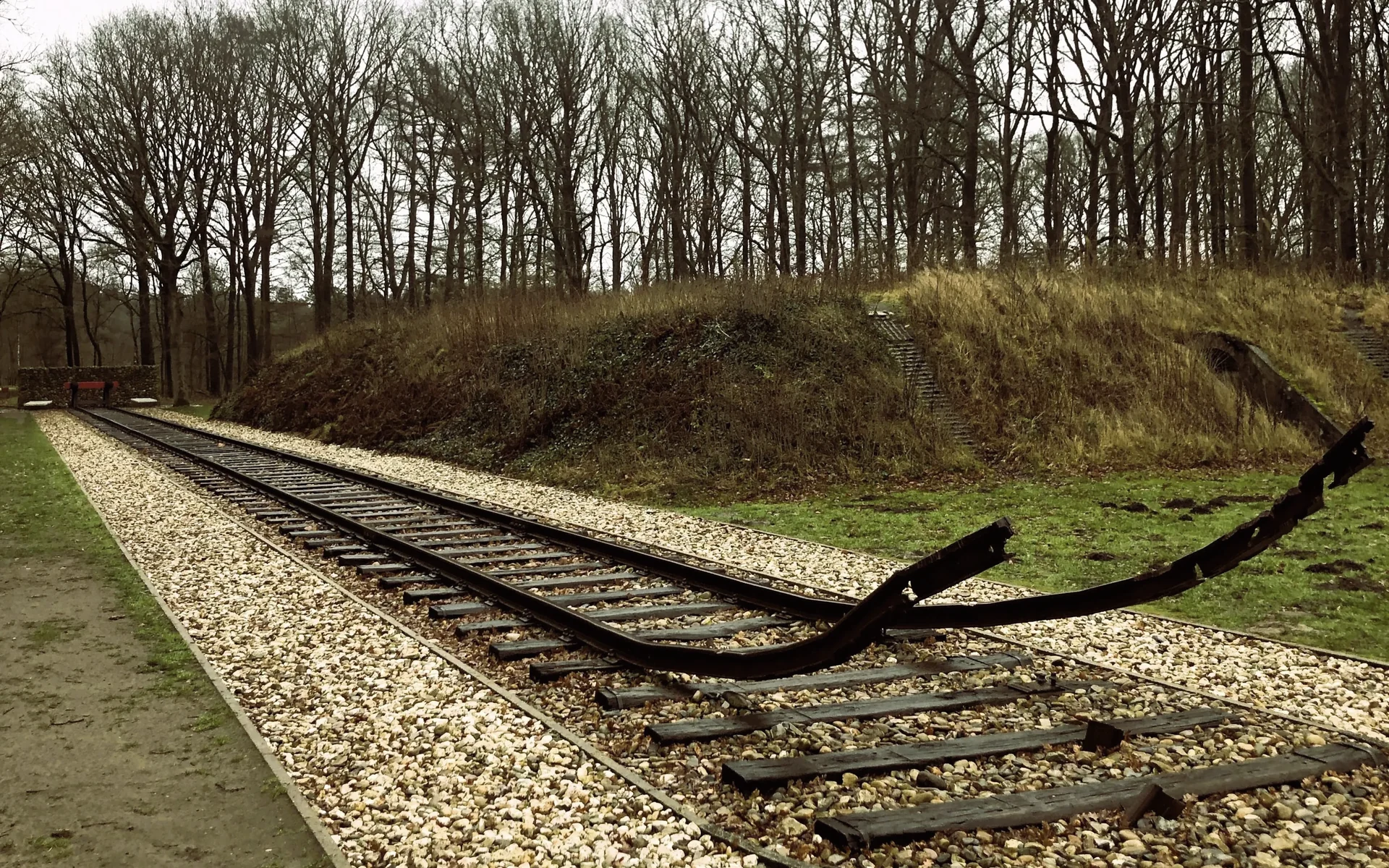
The camp grounds
Walk the former camp area and connect the present landscape to the layout and functions of the wartime camp.
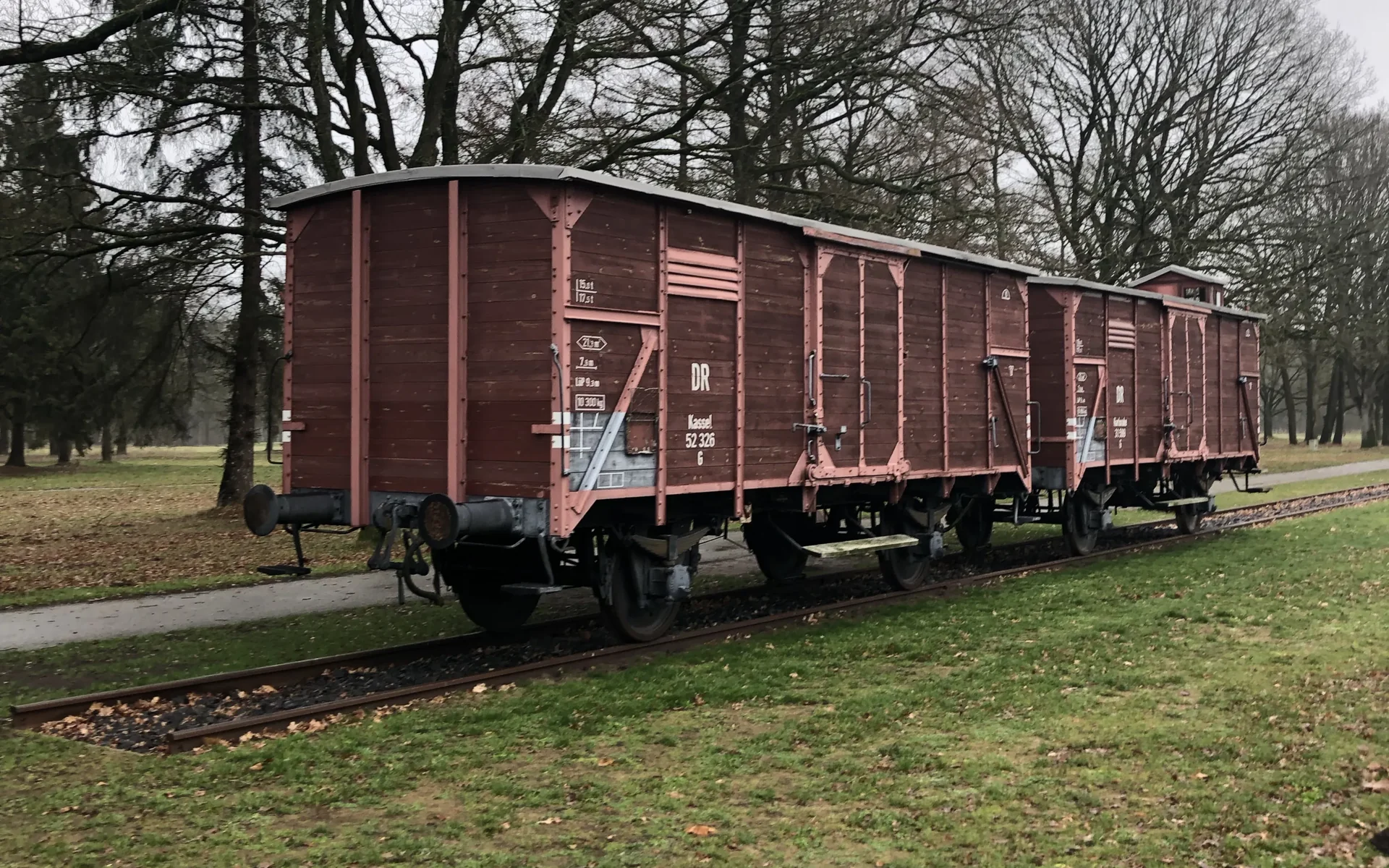
The railway and transports
Understand how deportation became part of the rhythm of camp life and how transports connected Westerbork to camps farther east.
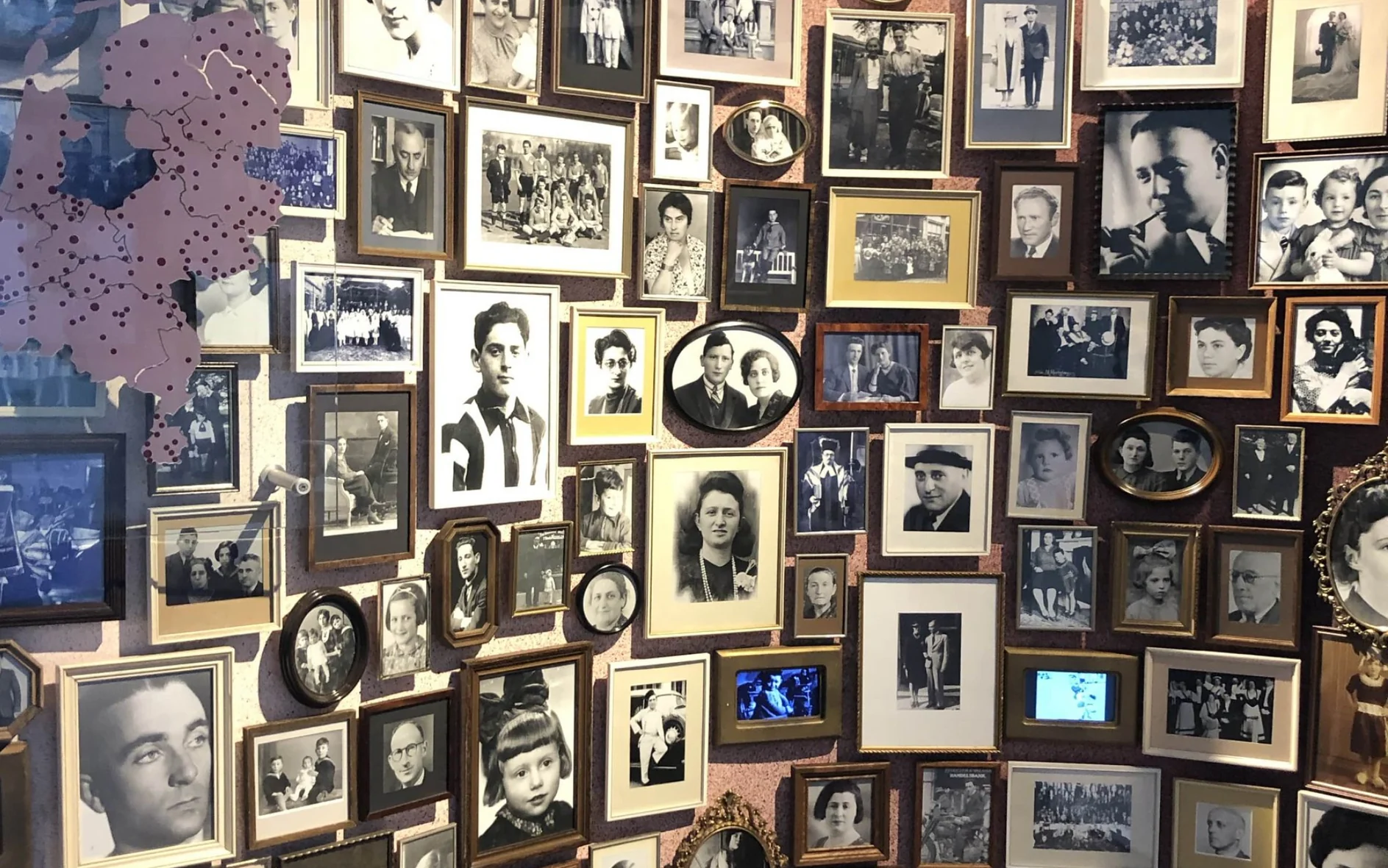
People, photographs and memory
Move from statistics to individual lives by using photographs, names, family records and personal stories where they are available.

A NAME CHANGES THE JOURNEY
Research before you stand on the ground
A transport list or camp registration becomes very different when it belongs to your own family. If you have a name, date, document or photograph, send it before the journey.
Where the sources allow it, I can help reconstruct the route through Westerbork and place that personal story within the wider history of persecution and deportation.
“
“Deeply immersed in historical studies, Martin was able to help me gain a better understanding.”
Frequently Asked Questions
Westerbork is a historical site and place of remembrance. A private visit should be prepared and paced with that in mind.
How long do we spend at Westerbork?
That depends on your interests and whether family research is involved. A dedicated visit allows time for both the historical centre and the former camp grounds.
Is much of the original camp still there?
Most original barracks and structures are gone. The site is therefore best understood through the landscape, memorials, surviving traces and historical material.
Can you research someone who was imprisoned at Westerbork?
Yes, where records are available. A name and date of birth are useful starting points, and any family documents can help.
Can Westerbork be combined with another site?
Yes. Depending on logistics, it can be combined with another remembrance location or with a broader multi-day itinerary.
Is this suitable for children?
That depends strongly on age, sensitivity and the way the day is framed. Contact me first so we can discuss what is appropriate.
Start with a person, a question or the place itself
Tell me why Westerbork matters to you and I will help shape a careful, private visit around that reason.