
WHEN THEN WAS NOW — A PRIVATE REMEMBRANCE JOURNEY THROUGH EUROPE
Amsterdam to Auschwitz
Follow the road from occupied Amsterdam through Westerbork and across Europe to Auschwitz — with time to understand the people behind the history.
_______
This is not a standard coach itinerary. It is a private journey built around history, remembrance and the questions you bring with you.
One possible route follows Anne Frank from Amsterdam through Westerbork and Auschwitz, while also opening the story to the many other people, places and decisions connected with the Holocaust.
A journey that needs time and preparation
The distance between Amsterdam and Auschwitz is part of the history. Deportation connected homes, transit camps, railway lines, ghettos, prisons and killing centres across occupied Europe.
We meet online before travelling and build the itinerary together. The example route can include Amsterdam, Westerbork, Bergen-Belsen, Berlin and Wannsee, Kraków and Auschwitz, Prague and Nuremberg.
The exact journey is private and customisable. Family history or another personal connection can change both the route and the research.
An example journey through the story
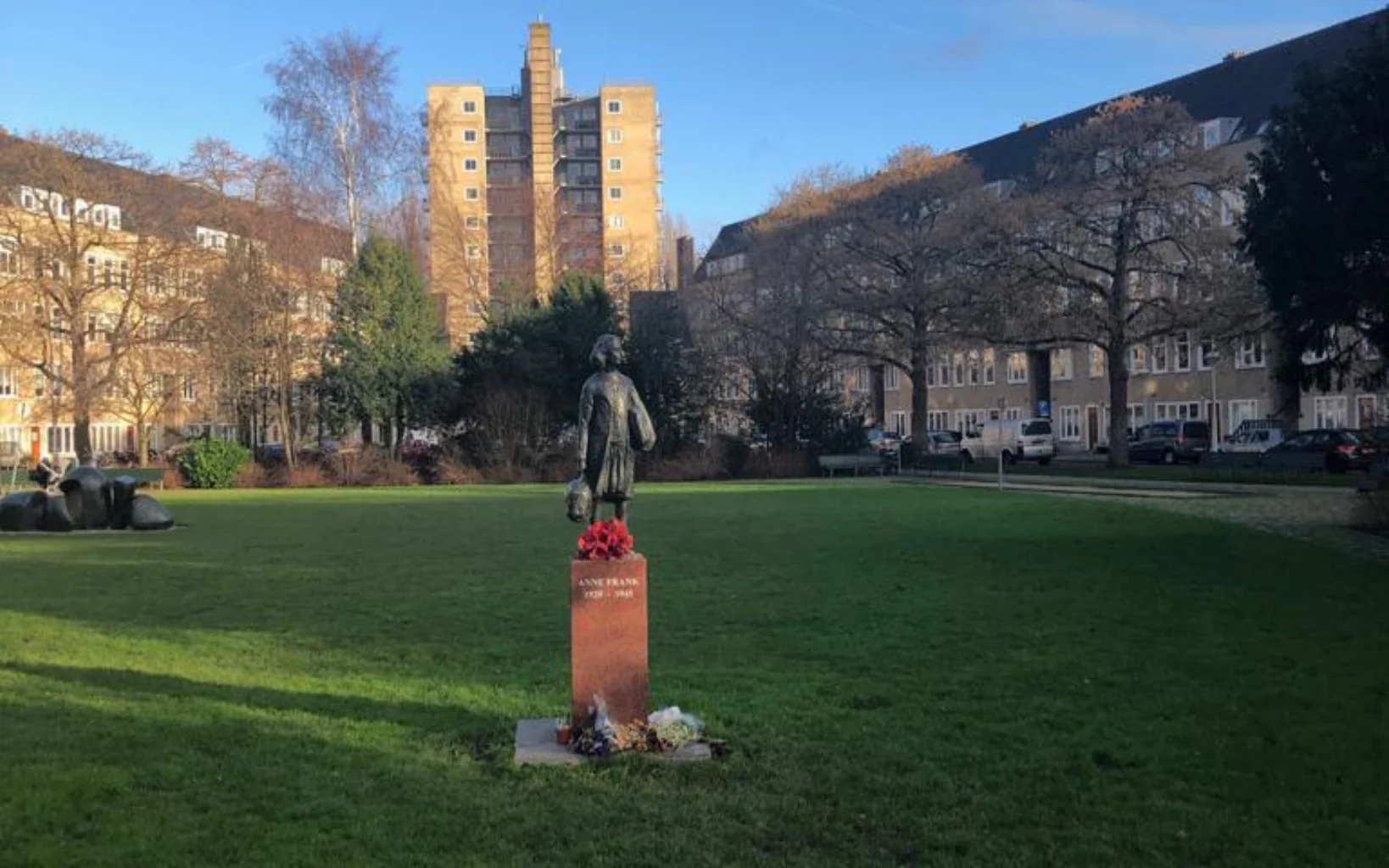
Amsterdam and Westerbork
Begin with life before hiding, occupied Amsterdam and the Dutch transit system that led through Westerbork.
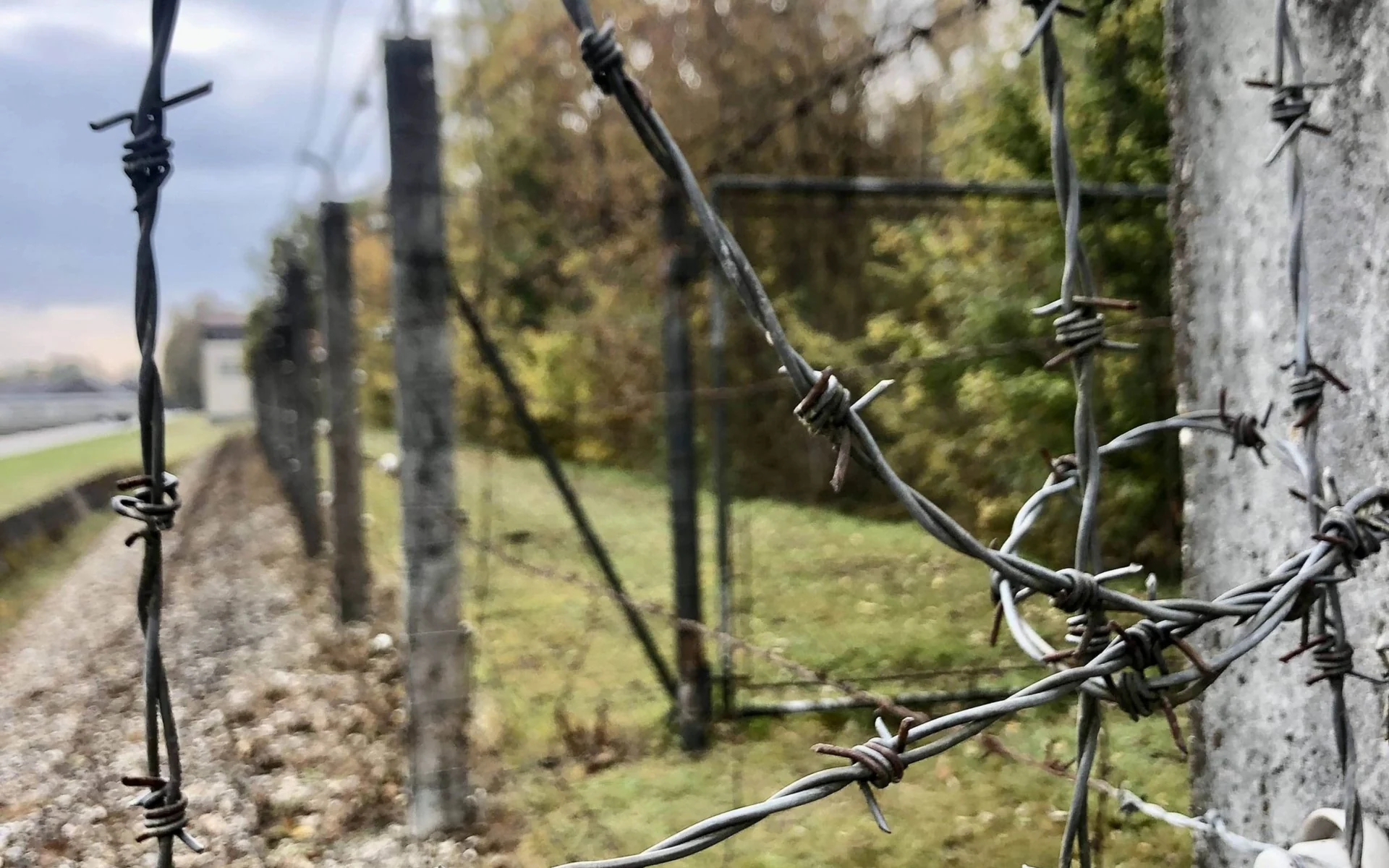
Berlin and the machinery of persecution
Use Berlin and Wannsee to understand how policy, bureaucracy and deportation connected local persecution to a European system.
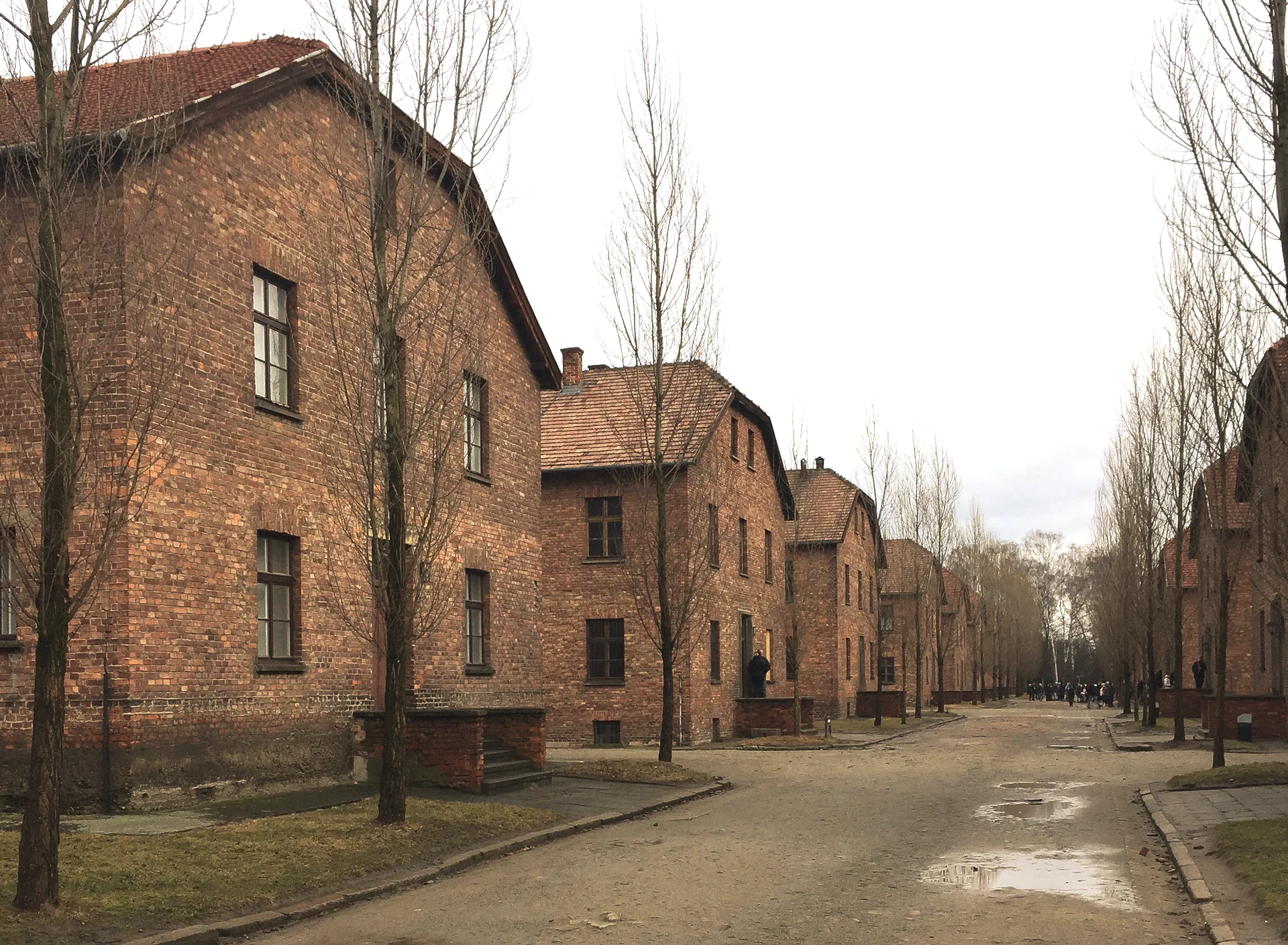
Auschwitz and Kraków
Spend the time needed at Auschwitz and connect the camp to the history of Kraków, the ghetto and the wider Holocaust.
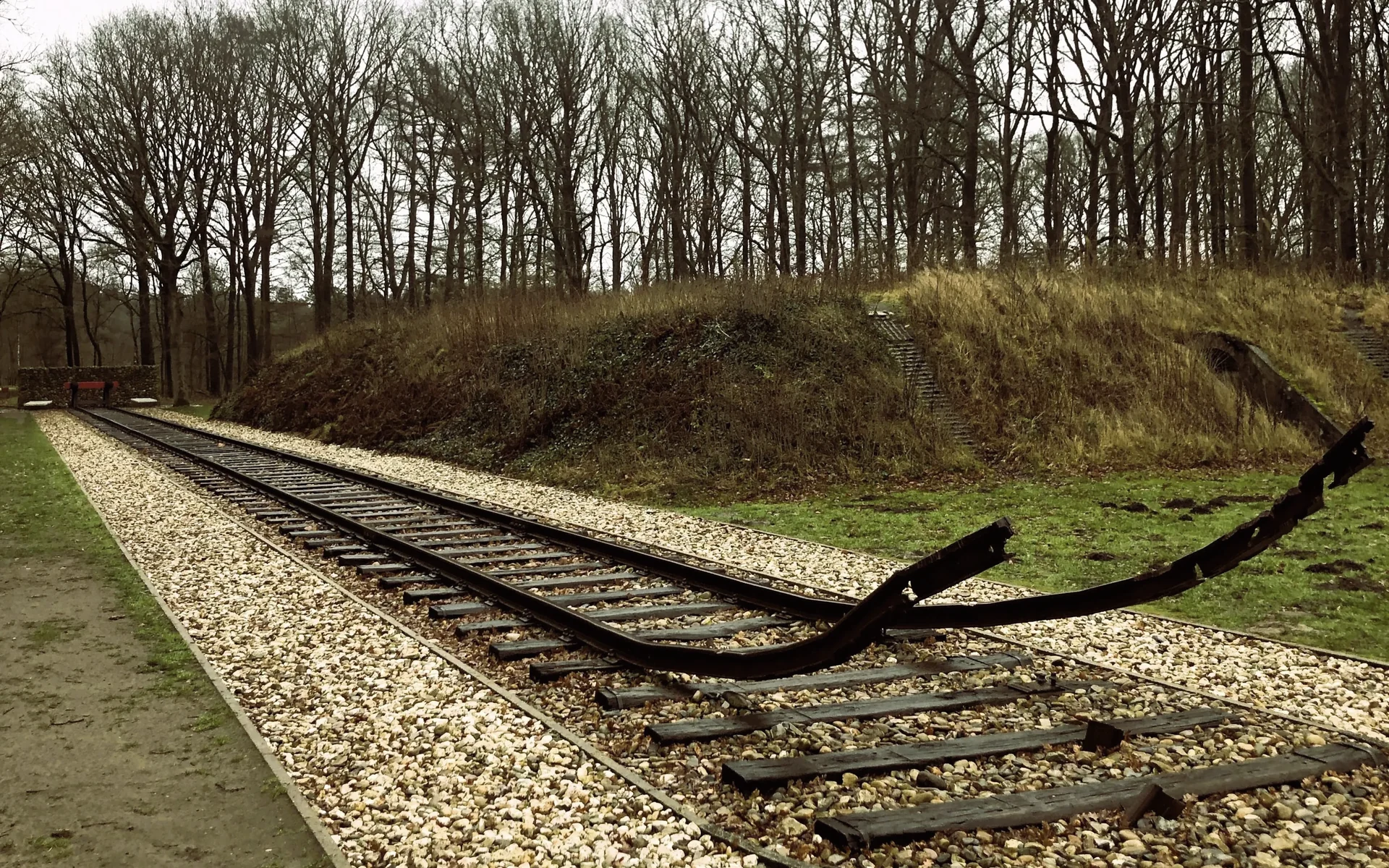
HISTORY AT HUMAN SCALE
The journey is intense because the stories are personal
These places can be emotionally difficult. That is precisely why I do not want to rush them or turn them into a checklist.
We prepare together, leave room for reflection and adapt the pace when needed. In my experience, that makes the journey demanding but also deeply meaningful.
“
“The footsteps I have taken this week are forever implanted in my soul.”
Frequently Asked Questions
A multi-country remembrance journey is prepared individually. The questions below describe the existing approach, not a fixed package.
How long is the journey?
The existing example is eight days, while the broader concept is a minimum seven-day return journey. The final duration depends on the route we agree together.
Do we meet before travelling?
Yes. One or more online meetings are essential so that we can discuss the itinerary, expectations, pace and practical arrangements.
Is this specifically an Anne Frank journey?
Anne Frank can provide one narrative thread, but the journey is not limited to her story. It also examines the wider history of persecution, deportation and the people connected with these places.
Are hotels, transport and tickets arranged?
The existing journey concept includes planning transport, hotels and tickets. The exact commercial arrangement should be confirmed when we design the itinerary.
Can the route be changed for family history?
Yes. A family connection may change the itinerary substantially, and research can become part of the preparation.
This journey begins before we leave
Tell me the history you want to follow. We will meet first, decide what belongs in the route and build the journey around that.