
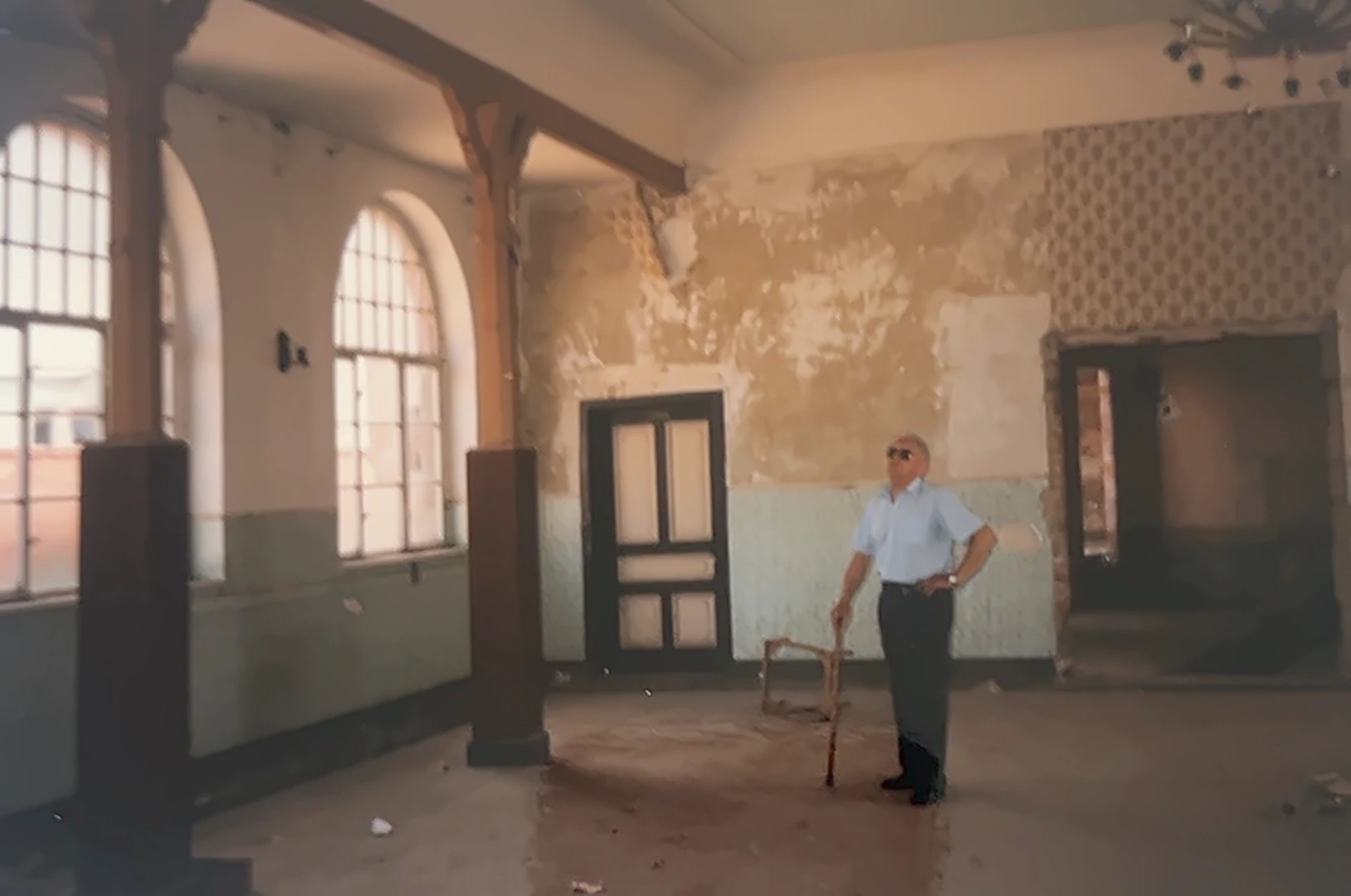
Case Study: A teenager in occupied Amsterdam
The story of Karel van Elmpt
My father recorded his memories of the Second World War late in life. When I started researching his stories in more detail I discovered that some of the events he remembered so clearly had happened differently from how he described them.
________
Finding documented facts is a first step; discovering the stories behind these facts is the journey.
I thought I knew my father’s wartime history. What I discovered gave me a much deeper understanding of his experiences — but also raised questions I had never thought to ask.
THE STARTING POINT
Two books and his memory
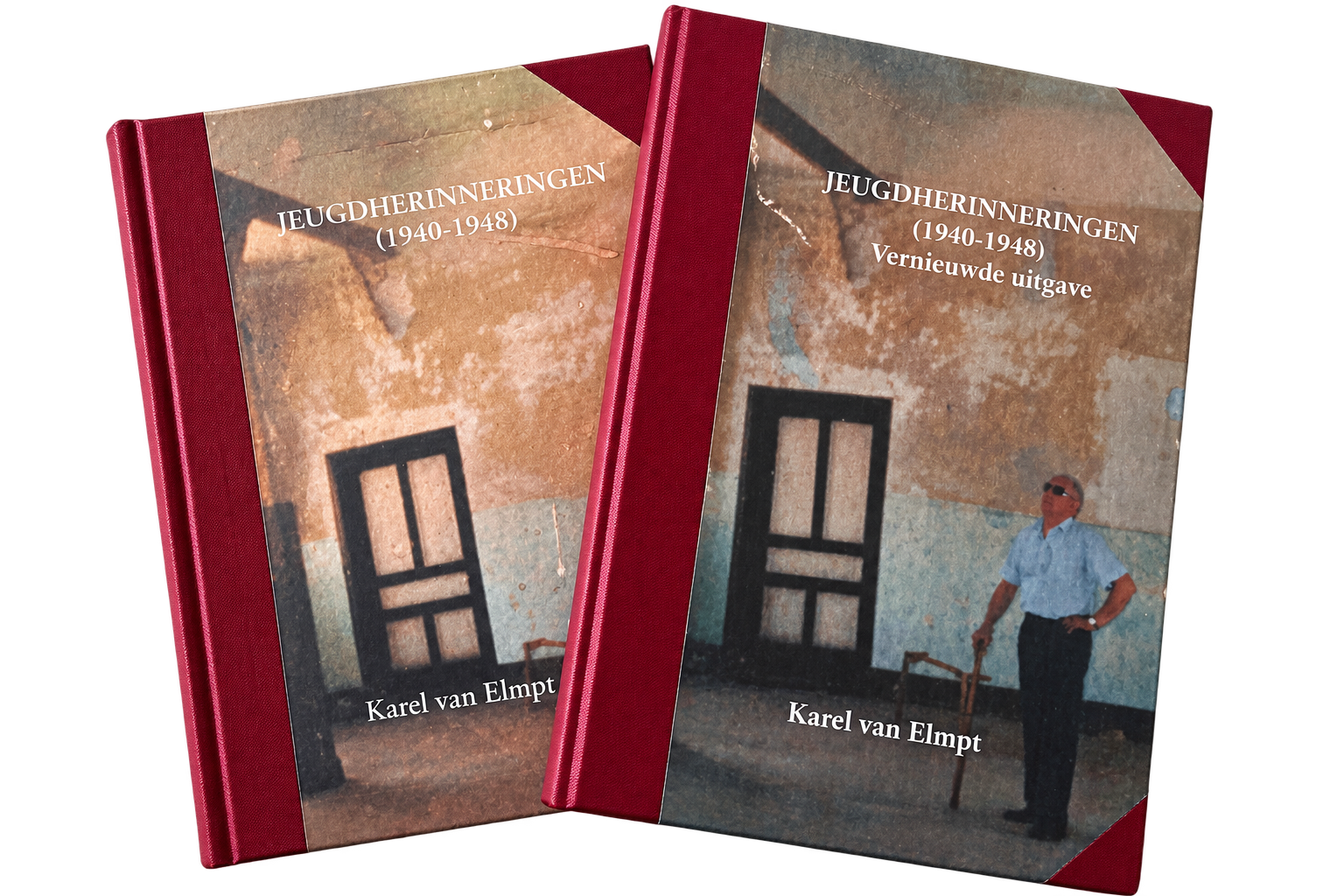
My father, Karel van Elmpt (1927–2008), was a teenager in Amsterdam during the occupation. Towards the end of his life, he wrote a short memoir of those years. Two versions of his account survive.
At the end of the war he had to work for the Germans, but the memoir covers far more than his journey to Germany. He describes what life was like during the German occupation in Amsterdam and his own struggles, including the loss of both his parents during the war. This case study follows how, at seventeen, he came to be sent away for forced labour.
THE FIRST QUESTION
Some things did not add up
Karel recalls that, on turning seventeen, he had no choice but to register and then report a few weeks later for work somewhere in Germany. He describes the journey he was forced to undertake in detail.
When I began my research, it seemed that he must have been caught up in the “Liese-Aktion”, during which the Germans tried to conscript as many able-bodied men as possible. There was only one problem: according to my father, his journey had begun about three weeks before the Liese transports.
I couldn’t find anything happening around the dates my dad mentioned, so I needed to look further.
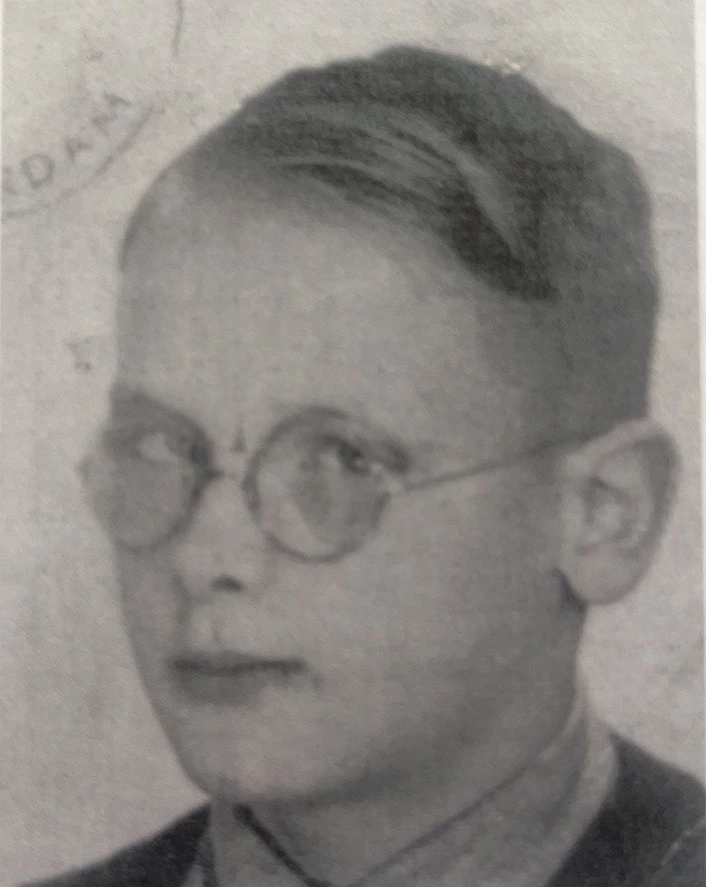
Karel van Elmpt, aged 16.
HISTORICAL BACKGROUND
The Liese-Aktion
The Liese-Aktion was a German operation to conscript Dutch men for forced labour, named after its organiser, Hermann Liese. In Amsterdam, men born between 1905 and 1928 were ordered to register. The calls began in December 1944; the departures followed in January.
The Dutch government in exile urged people to resist the operation. In Amsterdam, resistance groups distributed notices and sabotaged the registration. The Liese-Aktion ultimately failed to achieve its objectives: around 50,000 men registered nationwide, but only a fraction were actually sent to work.
The Amsterdam notices
14 December 1944 — first calls were posted.
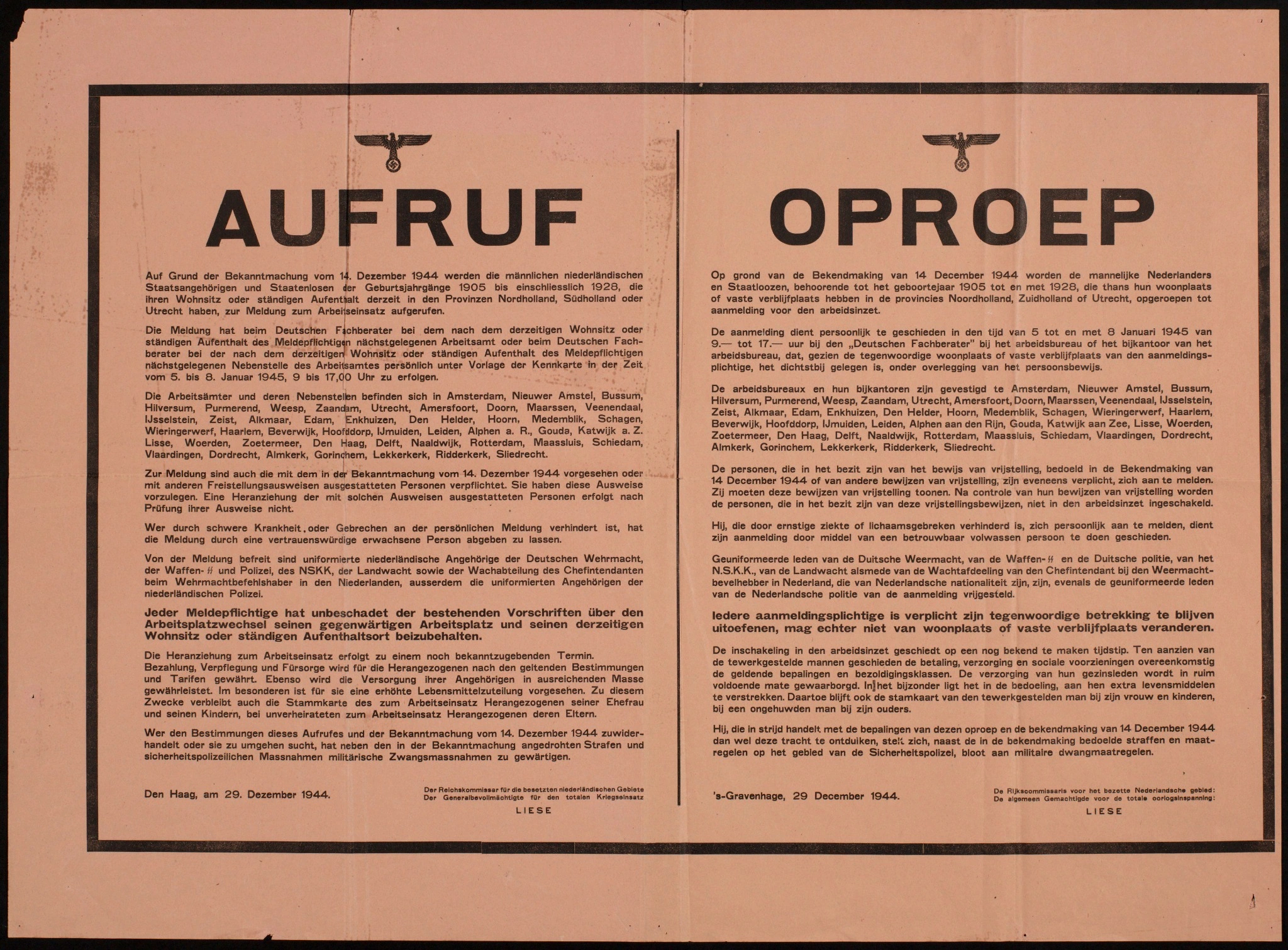
29 December 1944 — men were told to register between 5 and 8 January.
Read the original registration notice: 29 December 1944 ↗
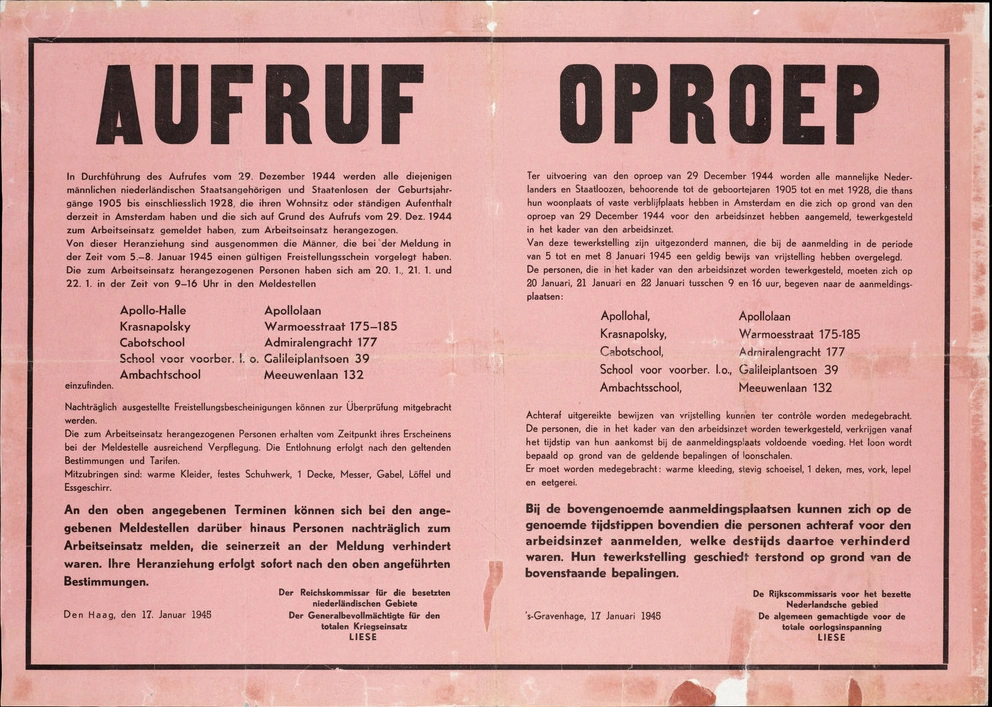
17 January 1945 — a further notice ordered registered men to report to the Apollohal on 20, 21 or 22 January.
Read the original Apollohal reporting notice: 17 January 1945 ↗
FOLLOWING KAREL’S ACCOUNT
The journey to Fischbeck
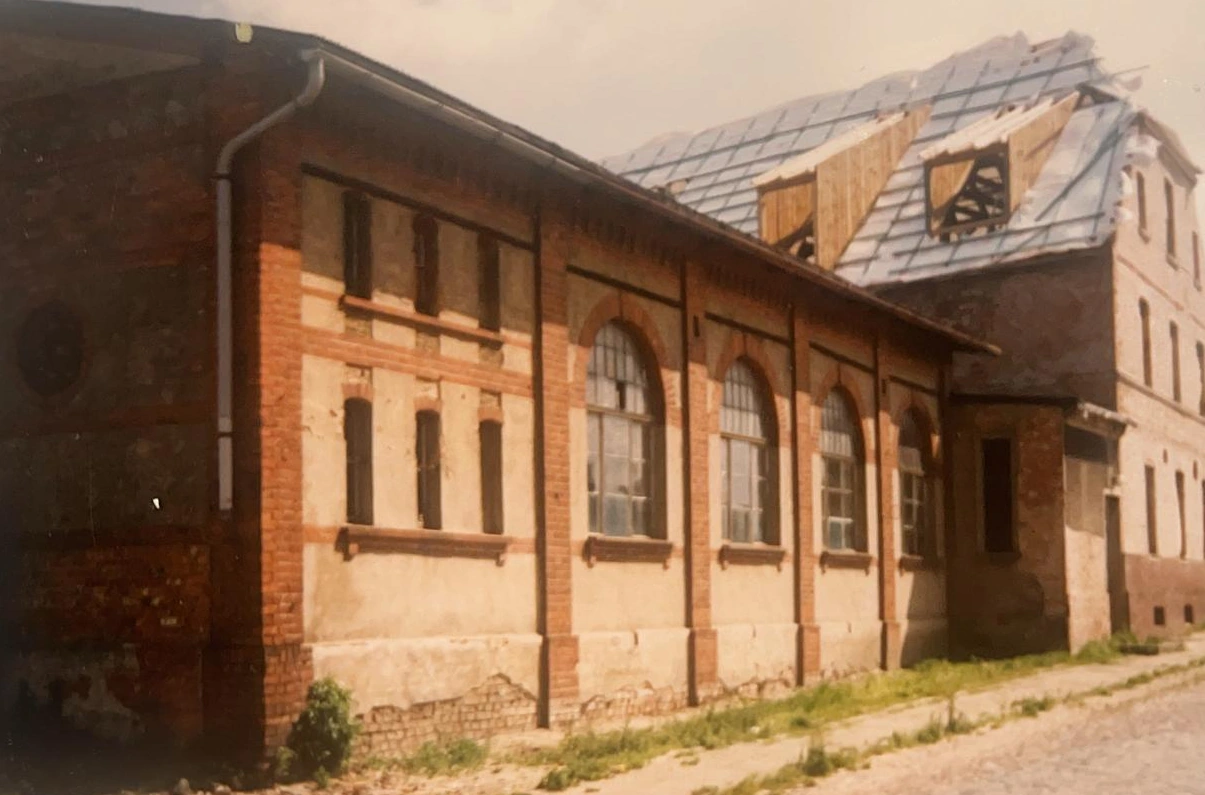
According to his account, Karel first spent several days at the Levantkade in Amsterdam before travelling by train to Kampen in the freezing cold. There, too, he stayed for a while in a barracks before being transported to Germany.
On that journey, while waiting near Hannover (he thought it was Hamburg), he clearly heard a major bombing raid. After passing through a camp in Lehrte, he arrived in Fischbeck, a small village on the River Elbe, where he had to work on a railway until his liberation.
Daily weather reports are still available, and they show that the severe cold Karel describes came at the end of January. There are also reliable records of bombing raids in Germany. I found another notice, too, instructing men who had already registered to report to the Apollohal between 20 and 22 January. After a long search, which I describe in more detail in the book, I was able to reconstruct how and when he made his journey.
Research sources: KNMI: weather in January 1945 ↗·RAF Bomber Command diary transcript, 4–5 February ↗. On the diary page, look for the entry headed “4/5 February 1945” (despite “Jan 1945” in the page title). These records establish historical context, not Karel’s individual movements.
FOLLOWING THE RECORDS
A missing piece of evidence
Not finding evidence does not mean it isn’t there. My father was very convincing when he recalled the dates of his journey, about three weeks before the Liese-Aktion. At first I could find no notices or other records to support his dates, but I assumed I simply needed to keep looking.
Then I began to realise how unlikely it was that a separate, completely undocumented “Karel Action” had still been under way when the Liese-Aktion began. Why tell men to register and report for work again when you had just done the same in an operation that was not even finished? That made no sense.
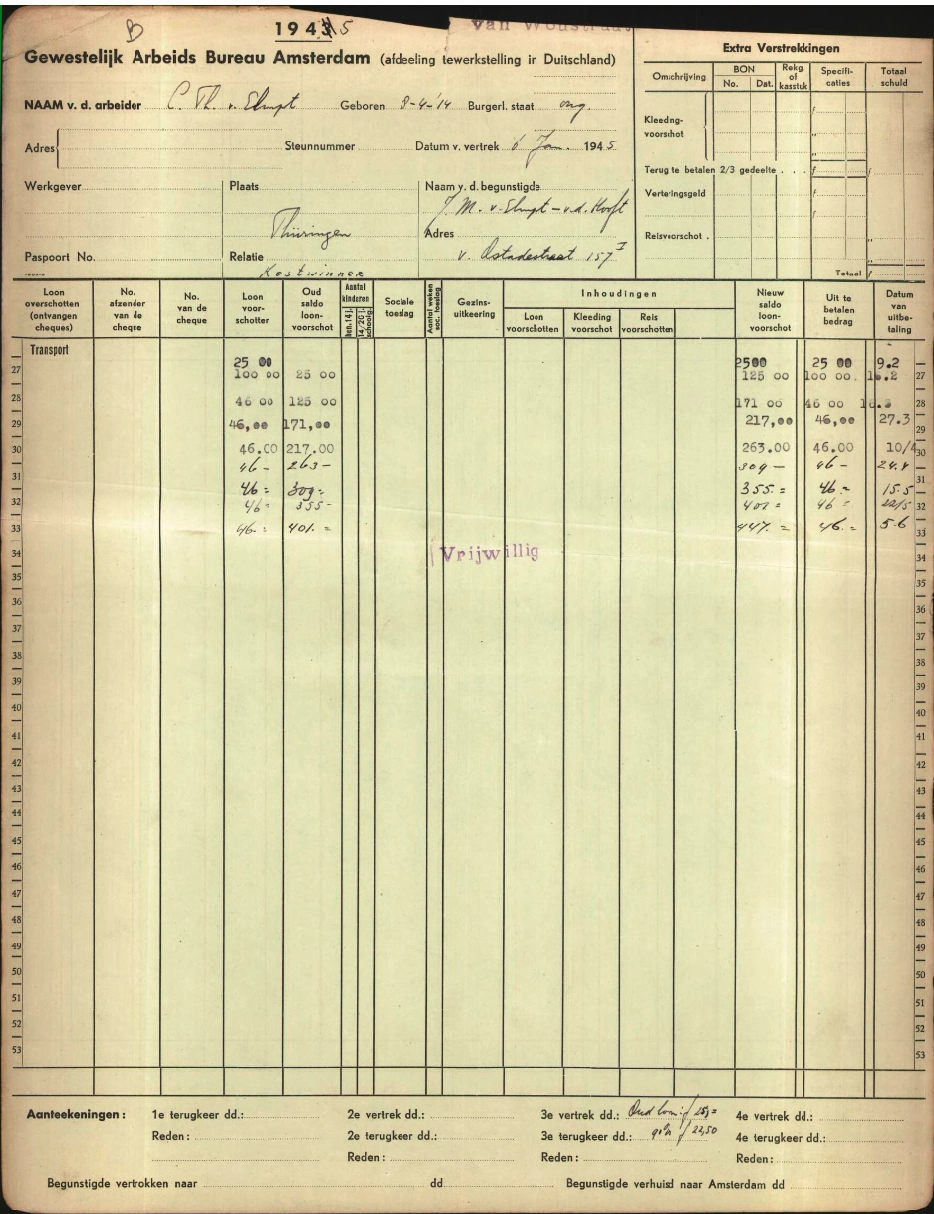
Then I found the registration records of Karel’s two brothers. Both were dated 5 January 1945, during the Liese-Aktion. According to Karel, they had travelled to Germany a few weeks before him. Now I had another important clue. The dates he remembered were probably wrong, but the other details of his journey fitted the surviving evidence remarkably well.
DECEMBER 1944 – FEBRUARY 1945
The Two Timelines
Karel’s dates and those reconstructed by me side by side.
01 / REGISTRATION
KAREL’S RECOLLECTION
Early December 1944
Karel said he had registered in December.
RECONSTRUCTION
6–7 January 1945
His brothers registered on 5 January. I believe Karel followed a day or two later.
02 / CALL TO REPORT
KAREL’S RECOLLECTION
18 or 19 December 1944
He remembered seeing the instruction to report to the Apollohal.
RECONSTRUCTION
17 January 1945
The surviving notice called registered men to the Apollohal on 20–22 January.
03 / APOLLOHAL TO LEVANTKADE
KAREL’S RECOLLECTION
3 January 1945
He remembered leaving the Apollohal for the Levantkade on this date.
RECONSTRUCTION
20–22 January 1945
Likely Apollohal and Levantkade. By 26–27 January, onward to Kampen by train.
04 / ARRIVAL IN FISCHBECK
KAREL’S RECOLLECTION
7 or 14 January 1945
The date he recalled for reaching his destination.
RECONSTRUCTION
5 February 1945
After the journey via Lehrte; his first working day was probably 6 February.
REVISITING HIS MEMORIES
Almost sixty years later
My father wrote his account almost sixty years after the events. Getting a date wrong after all these years is understandable. Even so, I was uneasy about how definite and precise he was — and about the fact that his dates seemed to place the journey three or four weeks too early.
Then I came across an earlier, shorter account of his experiences. He had written it after revisiting places where he had stayed during the war. He made three such journeys before writing his later memoir. There were important differences between that account and his later memoirs, such as the day and circumstances of his arrival.
I describe those differences in the third edition of his memoir. Comparing the two accounts made me more confident about this reconstruction: he remembered what had happened, but his recollection of the sequence and dates appears to have shifted over the years.
A HISTORICAL SOURCE · KAMPEN
A shock
My father wrote very little about his days in the barracks in Kampen. He was bored, and there was a lot of complaining, but little else. So I was shocked when I came across a passage in Dr Loe de Jong’s history describing the appalling conditions in those barracks at the end of January. My reconstruction places Karel there at precisely that time, and I believe he arrived on one of the trains described.
Did he leave the details of what he may have endured and witnessed there out on purpose, or had it all been so traumatising that he (unconsciously) had blocked it from his memory? In any case, it was a reminder for me that when you start digging in the past you should do so carefully, for you don’t know what you might find.
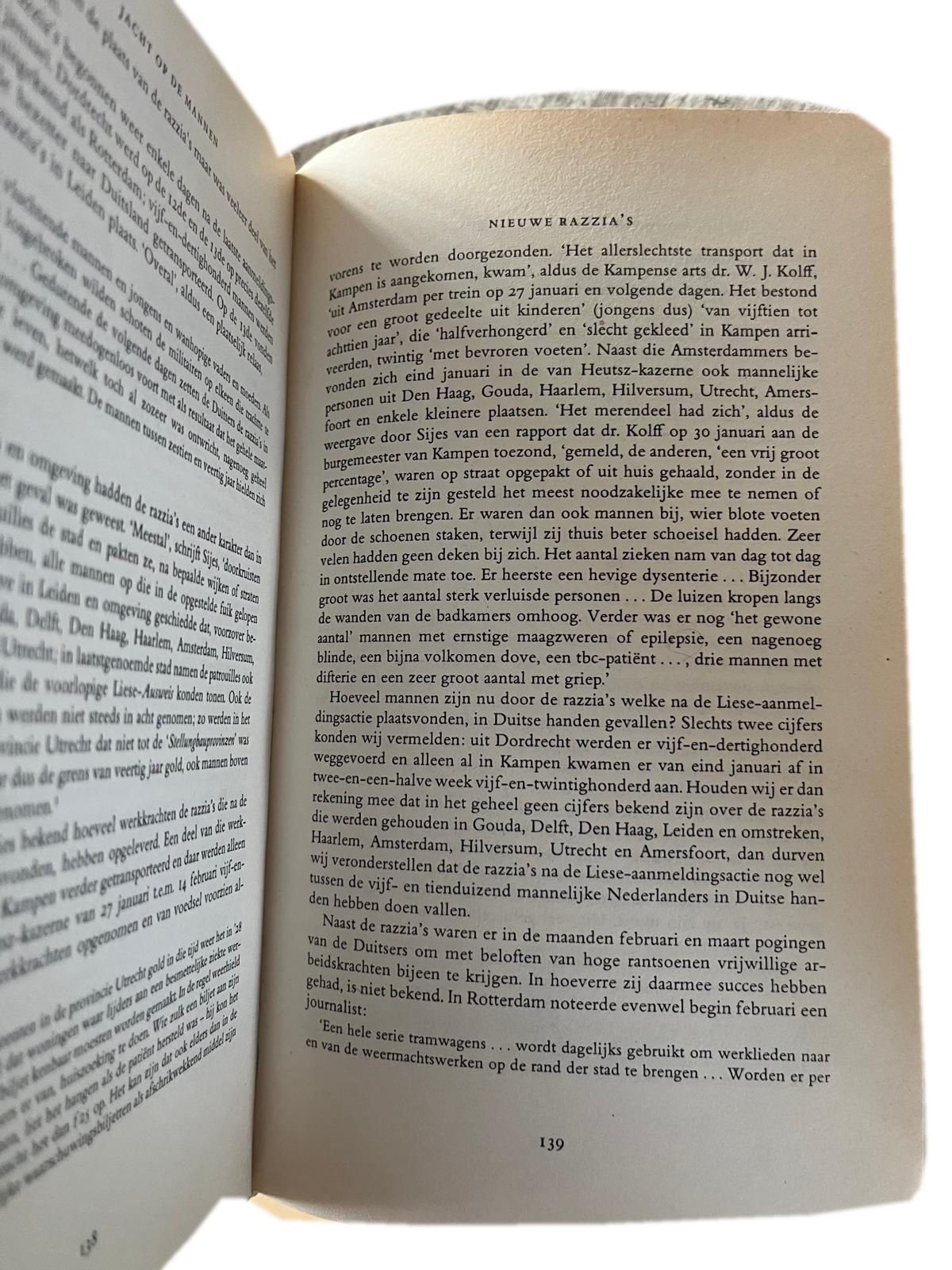
Read an English rendering of Loe de Jong’s account (pp. 144–145)
It is not known exactly how many men were obtained for labour through the round-ups carried out after 8 January. Some of these men were transported onward through Kampen. At the Van Heutsz barracks alone, between 27 January and 14 February, 2,500 men were admitted and given food before being sent on.
According to Dr W. J. Kolff, a doctor in Kampen, the worst transport to reach Kampen arrived by train from Amsterdam on 27 January and the days that followed. It consisted largely of ‘children’ — that is, boys between fifteen and eighteen — who arrived in Kampen ‘half-starved’ and ‘poorly dressed’. Twenty had frozen feet.
Alongside these men from Amsterdam, the Van Heutsz barracks also housed men from The Hague, Gouda, Haarlem, Hilversum, Utrecht, Amersfoort and several smaller towns at the end of January.
As recounted by B. A. Sijes from a report Dr Kolff sent to the mayor of Kampen on 30 January, most of the men had reported for duty. The others — ‘a fairly large percentage’ — had been seized in the street or taken from their homes without being given the chance to take essential belongings or have them brought afterwards. Some men’s bare feet protruded through their shoes, although they had better footwear at home. Many had no blanket. The number of sick men rose alarmingly from day to day. There was severe dysentery and a particularly large number of men heavily infested with lice. Lice were crawling up the walls of the bathrooms. There were also men with serious stomach ulcers or epilepsy, one almost blind man, one almost completely deaf man, a tuberculosis patient, three men with diphtheria, and a very large number suffering from influenza.
Loe de Jong, Het Koninkrijk der Nederlanden in de Tweede Wereldoorlog, vol. 10b, Het laatste jaar II, first half, pp. 144–145. English rendering of the passage, with the longer quotations from Dr W. J. Kolff paraphrased pending rights review. De Jong refers to Kolff’s recollections (p. 19) and B. A. Sijes, De arbeidsinzet (pp. 593–594). Original edition: NIOD collection. The linked digital file is listed on Wikimedia Commons under CC BY 3.0 Unported; embedded third-party quotations may be subject to separate rights.
Read the documents: Loe de Jong, vol. 10b, digitised book ↗·Stadsarchief Kampen: Kolff’s letter (archive description) ↗. The Kampen source provides context for conditions at the barracks; it does not document Karel’s presence. The book photographed above shows printed p. 139; pagination differs between editions.
De Jong and Kolff describe groups of men and boys in Kampen; they do not identify Karel individually. The connection to his journey is my reconstruction.
A PERSONAL REFLECTION
What this research has given me
Towards the end of his life, my father often talked about his experiences during the war and his work in Germany. I assumed he had been forced to do what so many others his age had to do, and that there would be no way to trace his particular journey. This research has shown me how much can still be found, especially as archives become more accessible. I can now place documents, dates and other people’s accounts alongside his memories — and see more clearly what may have happened to him.
There are still questions I cannot answer, particularly about the camp in Fischbeck and the other men caught up in the Liese-Aktion. I will keep looking. Perhaps other families have memories or documents that can add to the story.
His memoir is about much more than this journey and his work in Germany. It is a moving account of a teenager living through the war in Amsterdam. I am grateful he wrote it down, and that I am now able to share it with anyone who is interested.
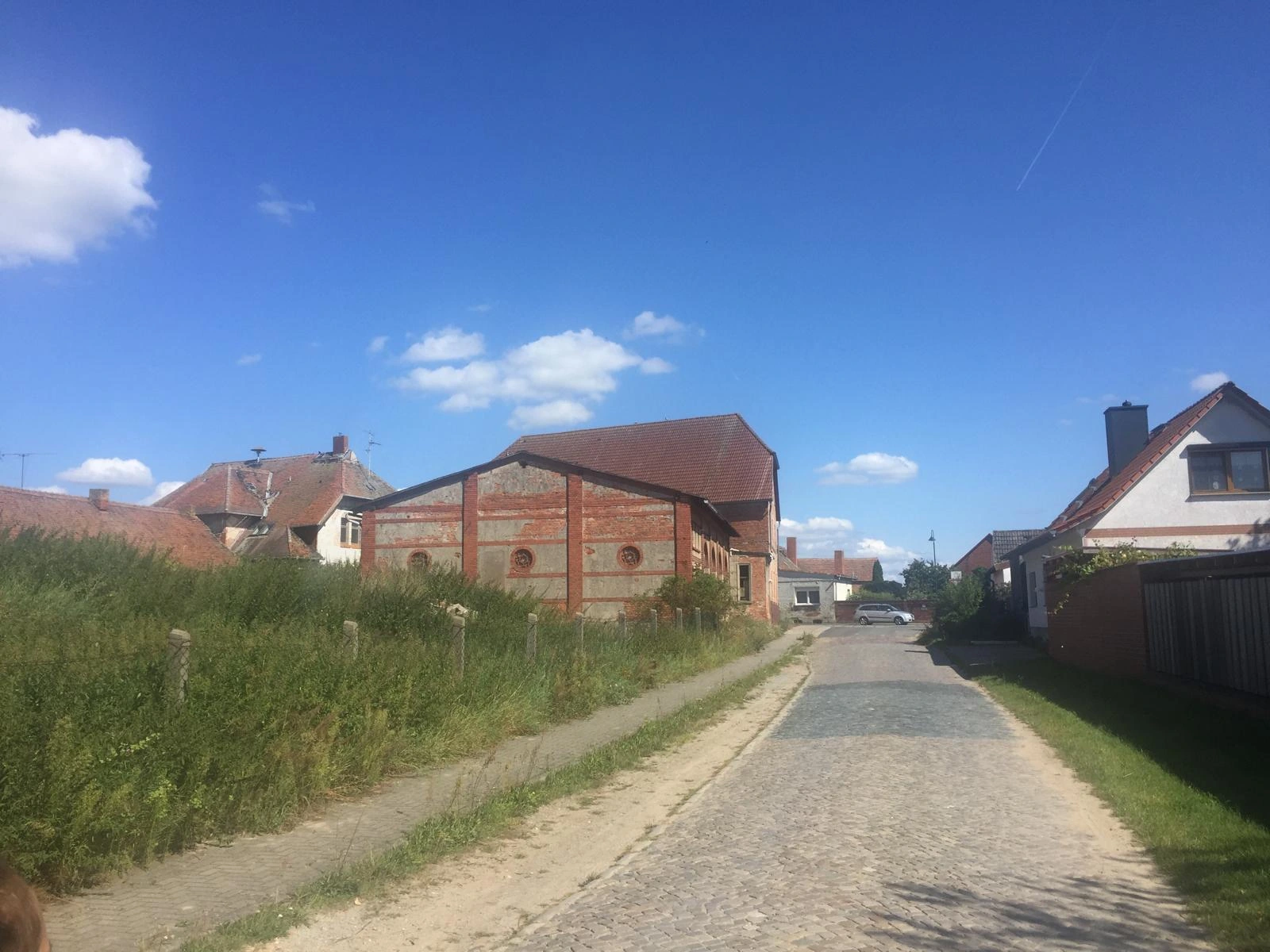
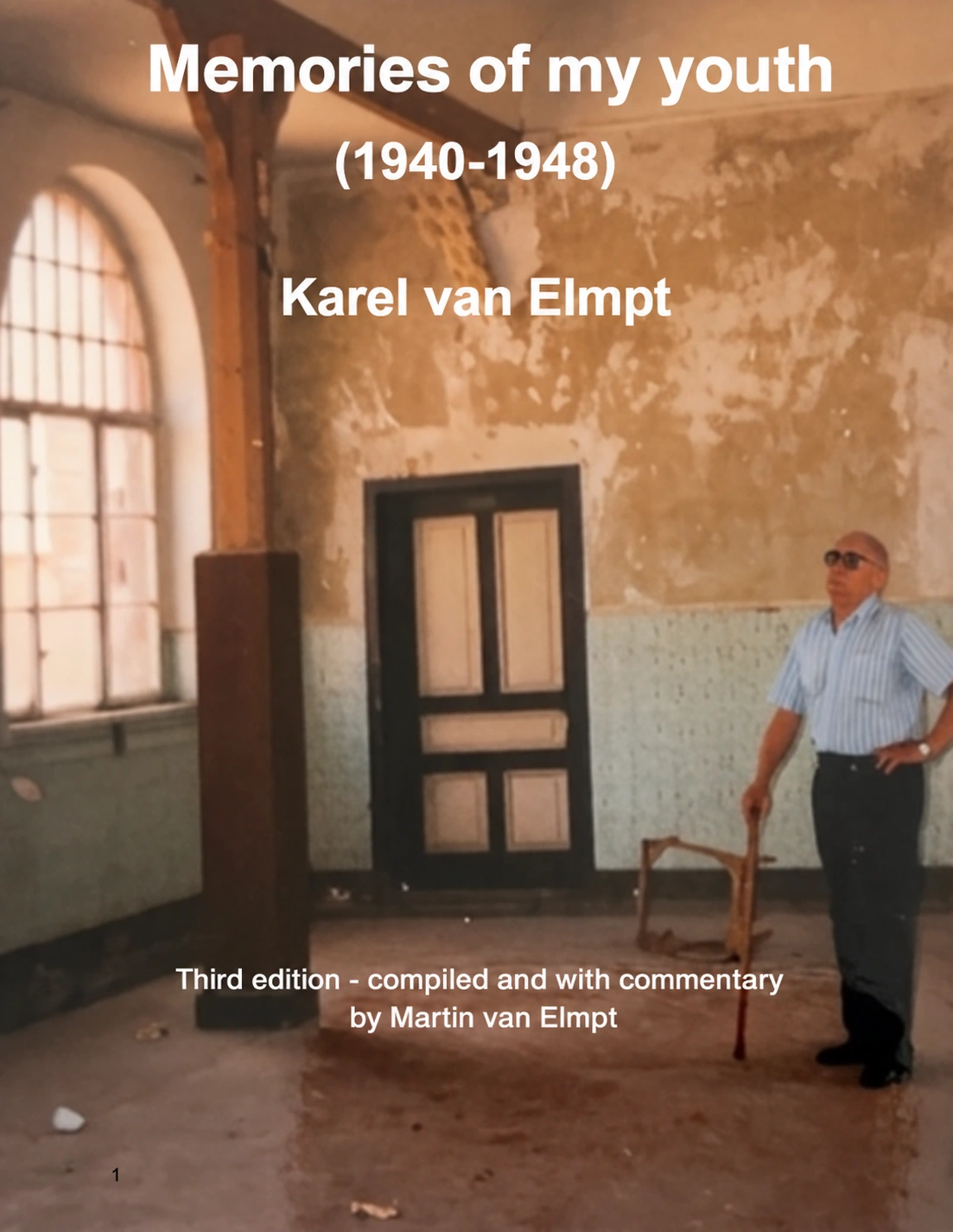
THE MEMOIR · THIRD EDITION
His memoir, including my research
My father first published Jeugdherinneringen (1940–1948) for family and friends in 2002. This expanded third edition brings his memories together with photographs, historical notes and two studies of the Liese-Aktion and his journey to Germany.
Read his account in the original Dutch, or in the English translation, Memories of My Youth (1940–1948). Both editions are available as free PDF downloads.