Research
Finding the stories
Do you want to know what happened to a relative during the war, where your family came from, or what happened at a particular place? I search the archives and other records and find the stories behind the data.
_______
A good question is where research begins. The answer is rarely found in a single document.
I follow the evidence, connect the details and put discoveries into context — without filling the gaps with guesses.
What would you like to find out?
Sometimes all you have is a name, an address or an old photograph. I look for the records that might help explain what happened.
Most research requests fit into one of these four areas. We can work out together where to begin.
Family history
Trace relatives, old addresses and family connections using records from the Netherlands and elsewhere.
Wartime histories
Find out what happened to someone during the war, whether they served, hid, fled or were sent away.
Archive research
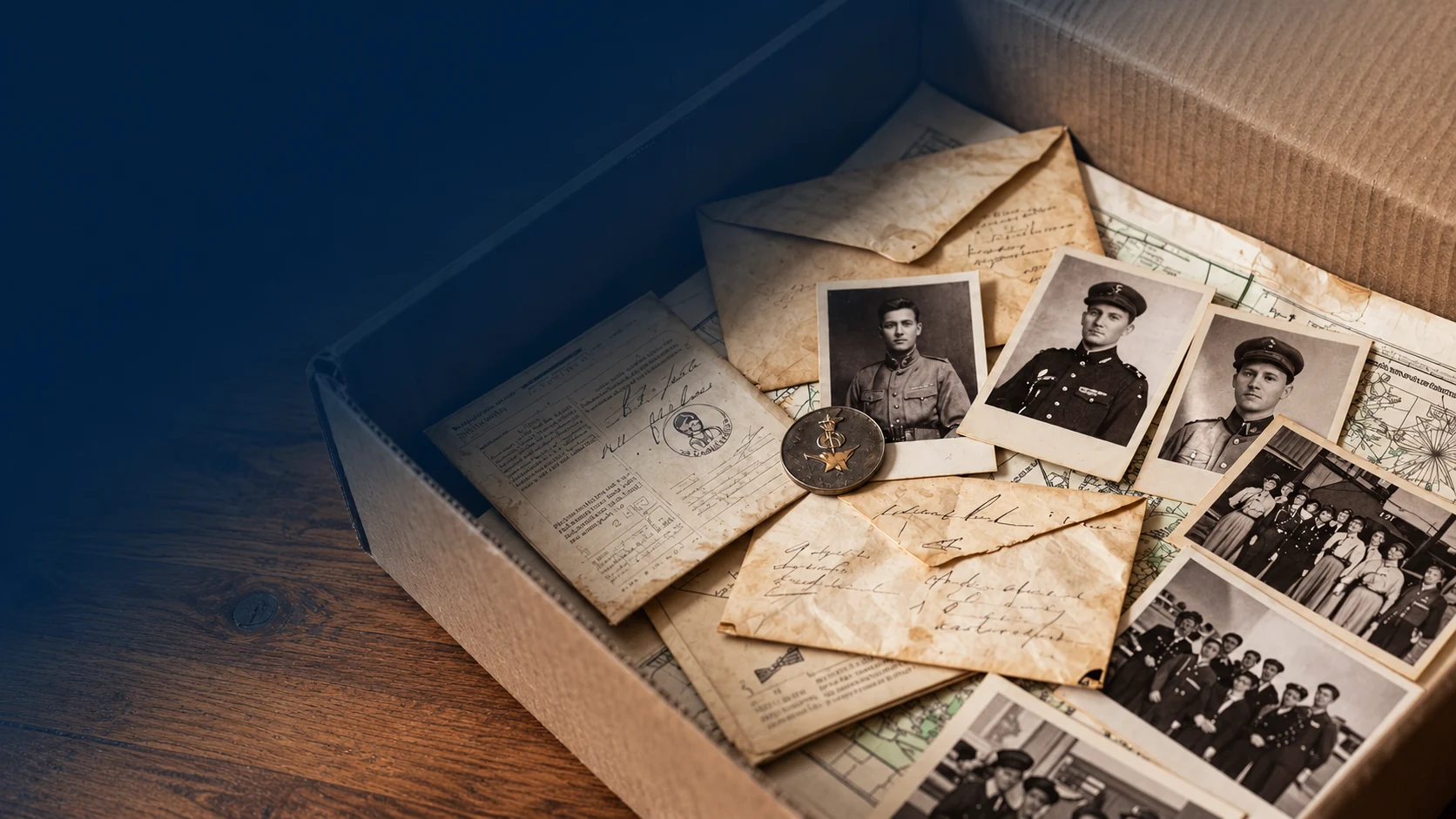
Find letters, registers, newspapers and other documents, and see what they actually tell us.
Historical reconstruction
Put dates, places and different accounts together to understand what happened.
Visit the places yourself.
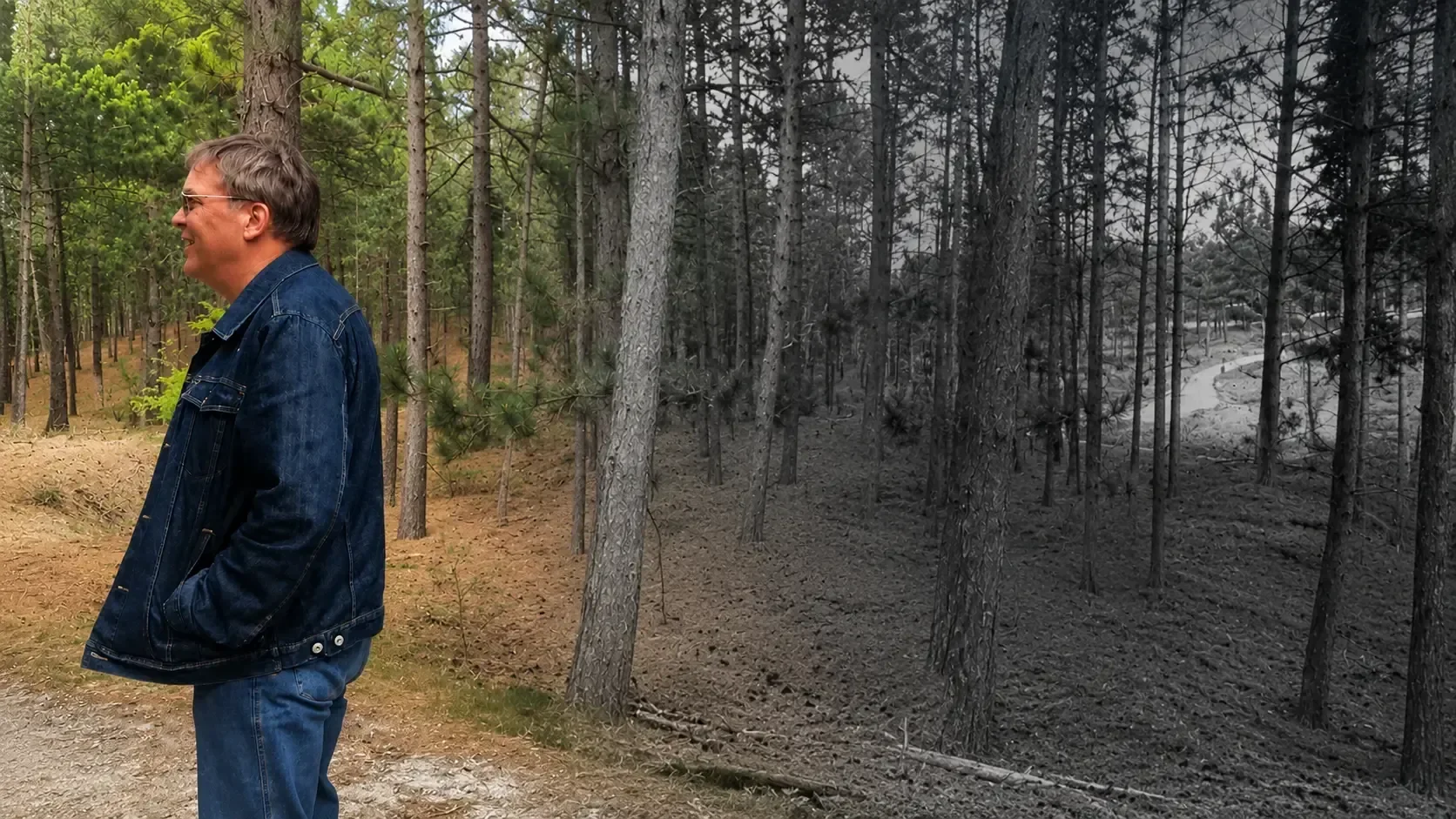
The best way to help understand your family history is to actually visit the places where things took place. I can take you there. We create an itinerary together for one or more days, and, as much as possible, go and see for ourselves the places of interest. We will discover the background, the bigger stories to get a wider perspective. And we can combine a visit to your sites with anything else you are interested in.
EXAMPLES OF MY RESEARCH
Two investigations, two stories
FAMILY HISTORY · 1945
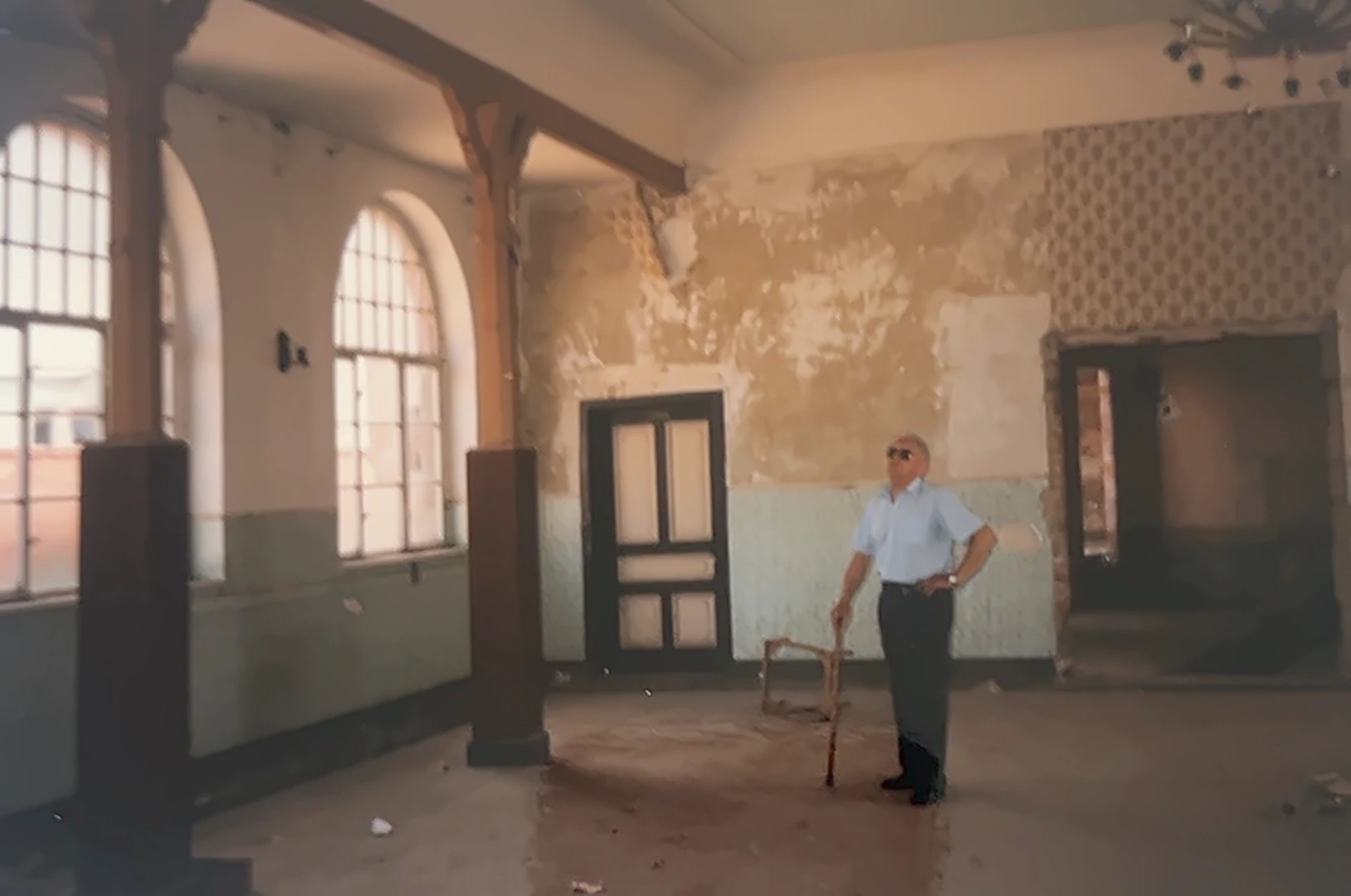
My father’s wartime story
My father wrote about Amsterdam under occupation and his forced-labour journey to Germany. I am comparing his memories with wartime records to discover what happened, and what remains uncertain.
OPEN INVESTIGATION · OUDORP
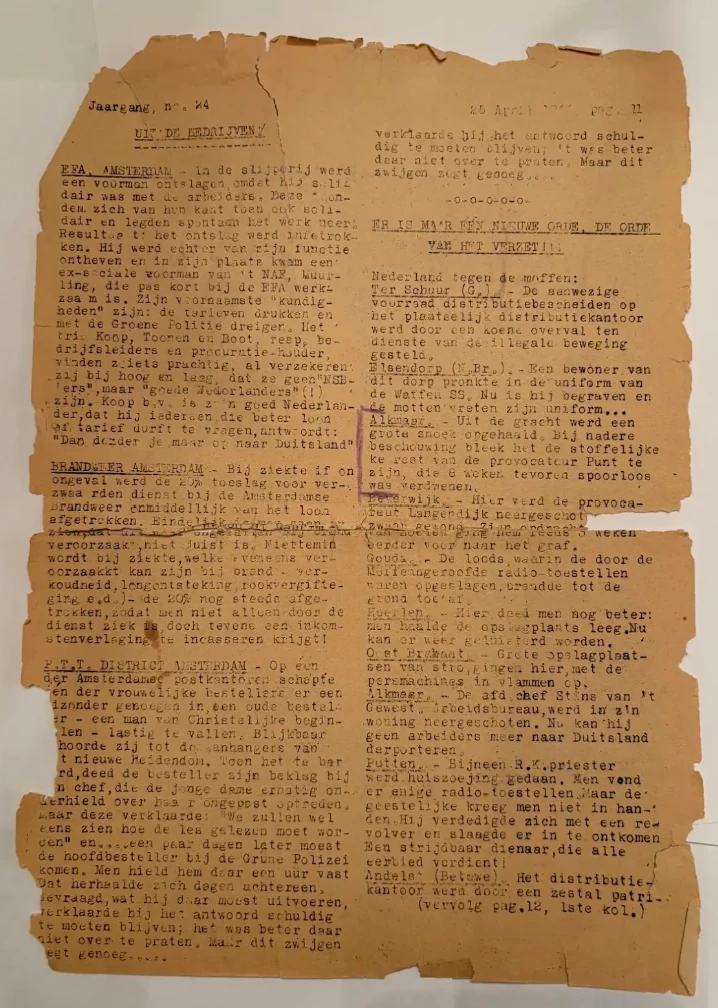
What happened to Johannes Punt?
In Oudorp, in 1944, a man died under circumstances that still raise questions. I am comparing contemporary accounts and archive material, keeping facts, possibilities and unanswered questions separate.
FROM A FAMILY HISTORY JOURNEY
“He was able to research the crash; we drove to the site and he explained in detail what had happened.”
— Barbara, USA · Guest on a private journey involving crash-site research
Frequently Asked Questions
You can ask me about the research without committing to a journey. Here are a few questions I often get.
Can I commission historical research without booking a tour?
Yes. I can take on research without arranging a tour. If you later want to visit the places involved, we can organise that separately.
What kinds of records can you investigate?
It depends on the person, place and period. I work with civil and population registers, wartime files, archives, newspapers, maps, photographs, letters and diaries. Some records are restricted or have not survived.
How do you check whether a historical conclusion is reliable?
I compare documents and check names, dates and where the information came from. If something seems likely but cannot be proved, I make that clear.
Can you work with documents in other languages?
Yes. I work mainly with Dutch material, but I also search foreign-language collections. Translation tools can help, but I check important details against the original.
How much does research cost, and what will I receive?
That depends on the question and the records involved. Before starting, we agree on the scope, estimated time, cost and form of the results. This could be a short summary or a more detailed account with sources. See how it works →
Have a name, a photograph or an unanswered question? Tell me what you know and what you hope to discover. We can discuss the possibilities before you decide to proceed.